8 fitness statements - which are true, which are not?
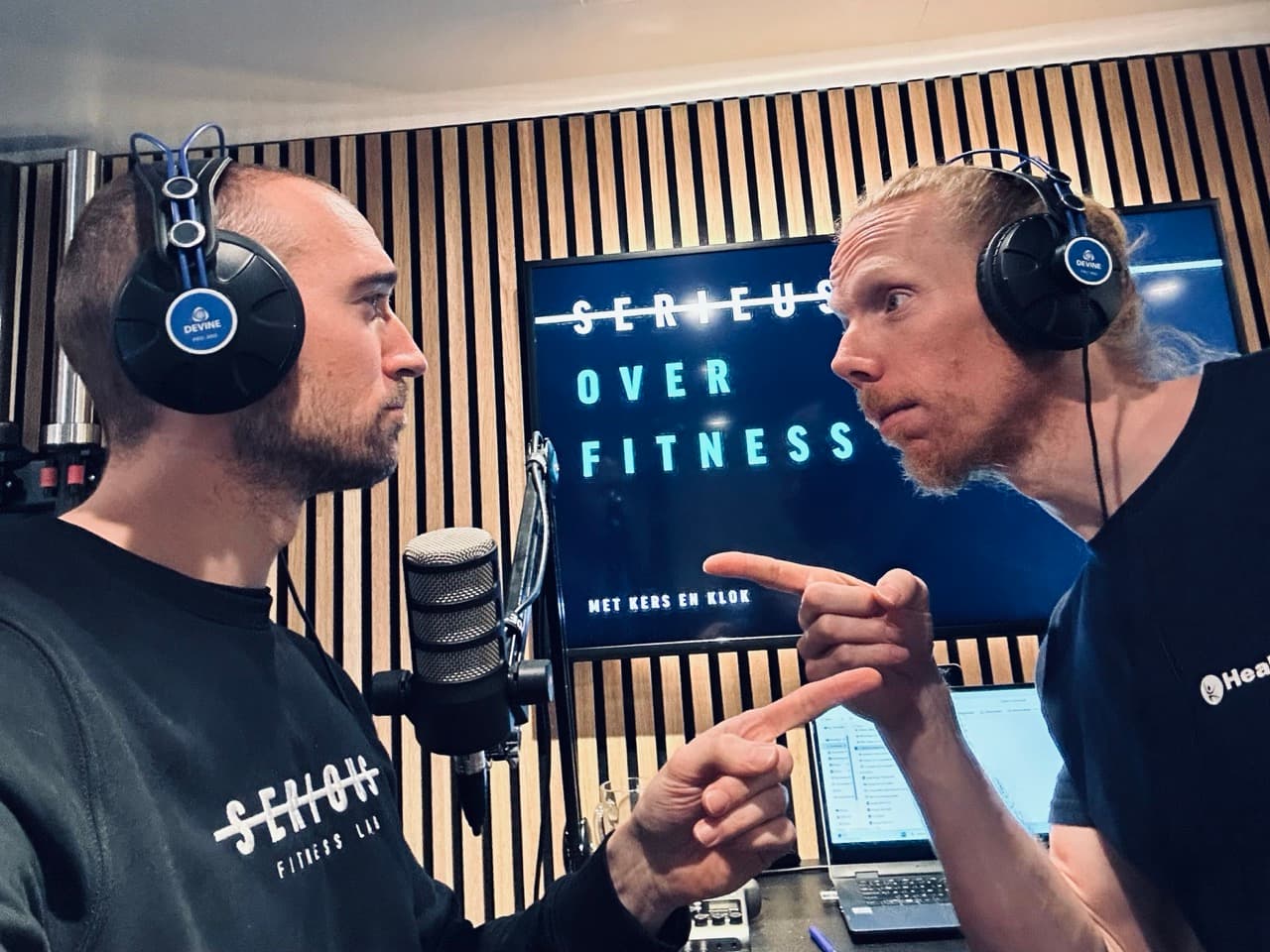
You hear them everywhere: fitness "truths" that are passed down from generation to generation. But what is really true? In podcast #082, Tijs and I have examined 8 popular statements. Time to separate the facts from the myths.
Statement 1: You cannot convert fat into muscles
TRUE - This is completely true. You cannot make stone from wood, and you cannot make wood from stone. Fat and muscle tissue are completely different tissue types that cannot be converted into each other.
What can happen? Burning fat and building muscles - but these are two separate processes. You do not burn the same amount of fat to replace the same amount of muscle tissue. The body uses different sources of energy and building materials for these unique tissues.
Statement 2: Stretching reduces muscle soreness
FALSE - This is often thought, but it is not true. In fact, intensive stretching can actually lead to more muscle soreness. When you stretch until it hurts, you damage tissue - just like in strength training. The interesting thing is that the stretch sensation can overshadow the pain sensation, making you unaware that you are hurting yourself. The nice/relieving feeling you experience after stretching is because you have actually experienced extra pain.
The best for recovery? Just flop on the couch after your workout.
Statement 3: With 2 to 3 short stretch sessions per week, you can increase your flexibility
TRUE - This is true, but only if you do it regularly. Stretching for ten minutes once a week works just as little as running for fifteen minutes once a week for your fitness.
Just like with strength training or cardio, repetition is the key. Going from once to twice a week is a 100% improvement - that's a big step. If you consistently do stretch exercises three times a week, you can improve your flexibility.
Statement 4: Sunscreen protects against skin aging
TRUE - For all sun lovers: make sure to apply sunscreen! The sun is the biggest cause of skin aging. Ten to fifteen minutes of unprotected sun exposure per day is fine for vitamin D production, but after that, it's enough.
A lot is sold to combat skin aging - collagen pills, powders, creams - but most of it does not work or works minimally. The only thing that is truly proven effective? Avoiding the sun or protecting yourself with sunscreen. Every dermatologist will confirm this.
Some claim that sunscreen is carcinogenic, but this is based on old formulas, in some products, that are no longer used.

Statement 5: The more muscle pain, the more muscle growth
FALSE - Think of a wall made of 24 bricks. If you break 17 of them (a lot of muscle pain), and receive 20 new bricks (protein synthesis), you use 17 for repair and only have 3 left for growth - end result: 27 bricks.
If you only break 3 (a little muscle pain), you use 3 bricks for repair and have 17 left for growth - end result: 41 bricks.
A lot of muscle pain means a lot of damage that takes time and energy to repair. That energy and building blocks can no longer be used for muscle growth. A little muscle pain is a good sign that growth is going to happen, but exaggerating has a counterproductive effect.
Statement 6: Beginners with overweight can build muscle mass and lose fat mass
TRUE - This is the only exception to the rule that you cannot simultaneously lose weight and build muscle. Normally, you build muscles with a calorie surplus and lose fat with a calorie deficit.
But beginners always respond more strongly to strength training, and people with overweight have a lot of extra fat mass. The body then manages to balance between calorie intake and the building and losing of different tissue types.
Note: this only works for beginners with overweight. Do you have a year of experience or no overweight? Then this "magic" stops.
Statement 7: You lose fat faster by doing cardio with a low heart rate
FALSE - During the activity, yes, but it's about the big picture. With a low heart rate, you burn a higher percentage of fat, but few extra calories in total.
Practical example: an hour of walking (low heart rate) = 300 calories, of which for example 70% from fat. An hour of running (high heart rate) = 800 calories, of which for example 30% from fat. The runner ultimately burns more calories in total (and in this calculation example even fat). Any calorie deficit ultimately comes from the fat mass.
Extra tip: running each kilometer burns about the same amount of calories as your body weight in kilograms. Weigh 80 kilos? Then you burn about 80 calories per kilometer.
Statement 8: Strength training is good for your immune system
TRUE - Strength training does much more than just make you stronger. It improves your cognitive ability, slows down aging, and strengthens your immune system.
Every time there is muscle damage from training, your body sends white blood cells for repair. As a precaution, the body sends some extras. Meanwhile, these extra white blood cells also see other small inflammations in your body and repair them immediately.
This only applies if you are fit. Are you already sick? Then training can sometimes make it worse instead of better.
The Main Message
Fitness is a sport full of myths that persist. But as always, remember: no tall tales, only strong results. Let yourself be guided by proven science instead of myths passed down from generation to generation.
START TRAINING SERIOUSLY
Discover new training methods based on scientific knowledge, improve your form and technique and seriously track your fitness goals.